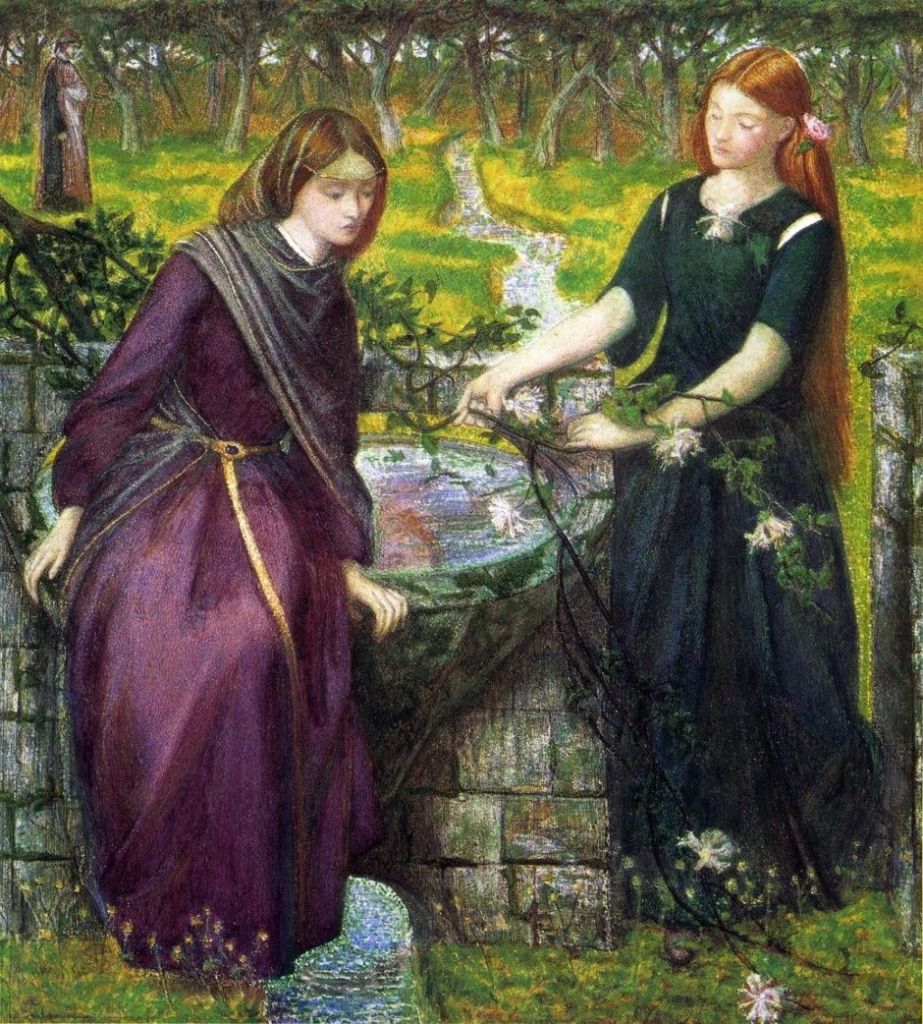
The biblical account of Rachel and Leah’s marriage to Jacob, as recorded in Genesis 29-30 and 35, provides a fascinating glimpse into the cultural norms and customs of ancient Mesopotamia. The narrative revolves around the complex relationships between Jacob, Rachel, and Leah, and the births of their children.
According to the biblical account, Jacob’s marriage to Rachel and Leah is facilitated through a series of agreements with their father, Laban. Jacob served Laban for seven years in exchange for Rachel’s hand in marriage, which represents the payment of the bride-price. However, Laban deceived Jacob by substituting Leah for Rachel on the wedding night.
After Jacob confronts Laban, they come to another agreement, allowing Jacob to marry Rachel in exchange for an additional seven years of service. This arrangement highlights the economic aspect of marriage in ancient Mesopotamia, where the bride-price was a crucial element of the marriage contract.
The biblical narrative reveals that Leah bears children shortly after her marriage to Jacob, while Rachel remains barren for an extended period. This delay in Rachel’s childbearing can be understood in light of the customs and traditions surrounding ancient Mesopotamian marriage contracts.
Research by scholar Korine Garroway on ancient Mesopotamian marriage contracts sheds light on the possible reasons behind the delay in Rachel’s childbearing. According to Garroway, these contracts often stipulated that the groom pay a bride-price to the bride’s family, which could be paid in installments. However, the final installment had to be paid before the birth of the first child.
In the context of Jacob’s marriage to Rachel, the birth of Joseph after Jacob’s additional seven years of service suggests that the bride-price for Rachel was paid in full. This interpretation is supported by the biblical narrative, which indicates that God remembers Rachel and she bears her first son, Joseph, after Leah has already had seven children.
The timing of births in the biblical story of Rachel and Leah takes on significant meaning when considered in light of ancient Mesopotamian customs. The birth of Joseph after the payment of the bride-price in full underscores his legitimacy as Jacob’s heir.
This understanding highlights the importance of considering the cultural context in which the biblical narrative arose. The story of Rachel and Leah’s childbearing reflects the societal norms and expectations of ancient Mesopotamia, where the payment of a bride-price and the legitimacy of children were closely tied.
In conclusion, the biblical account of Rachel and Leah’s marriage to Jacob provides valuable insights into the customs and traditions of ancient Mesopotamia. The delay in Rachel’s childbearing can be understood in light of the payment of the bride-price, which was a crucial element of ancient Mesopotamian marriage contracts. The birth of Joseph after the payment of the bride-price in full underscores his legitimacy as Jacob’s heir, highlighting the significance of cultural context in understanding the biblical narrative.
Discover more from HC Content
Subscribe to get the latest posts sent to your email.
