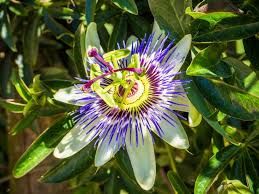
The passion flower (Passiflora incarnata) is a fascinating plant with a multitude of uses, ranging from medicinal and therapeutic applications to culinary and ornamental purposes. Here’s a detailed exploration of its various uses:
Medicinal Uses:
1. Anxiety and Insomnia: Passion flower has been traditionally used to treat anxiety, insomnia, and restlessness due to its calming and sedative properties.
2. Pain Relief: Passion flower may help alleviate pain, including headaches, muscle tension, and menstrual cramps.
3. Seizure Control: Some studies suggest that passion flower may have anticonvulsant properties, making it potentially useful for managing seizures.
4. Menopausal Symptoms: Passion flower has been used to alleviate symptoms associated with menopause, such as hot flashes and mood swings.
Therapeutic Applications:
1. Stress Relief: Passion flower’s calming properties make it an excellent herb for reducing stress and promoting relaxation.
2. Sleep Aid: Passion flower tea or supplements may help improve sleep quality and duration.
3. ADHD: Some research suggests that passion flower may help alleviate symptoms of attention deficit hyperactivity disorder (ADHD).
Other Uses:
1. Culinary: Passion flower tea can be made from the leaves and stems, and the fruit is edible.
2. Ornamental: Passion flower vines are often cultivated for their intricate, exotic flowers and attractive foliage.
3. Skincare: Passion flower extracts have antioxidant and anti-inflammatory properties, making them potentially useful in skincare products.
Precautions and Interactions:
1. Consult a Healthcare Professional: Before using passion flower, especially if you’re taking medications or have underlying health conditions.
2. Potential Interactions: Passion flower may interact with sedatives, antidepressants, and other medications.
3. Pregnancy and Breastfeeding: Consult with a healthcare professional before using passion flower during pregnancy or breastfeeding.
Forms and Preparations:
1. Tea: Steep dried passion flower leaves and stems in hot water.
2. Supplements: Capsules, tablets, or tinctures containing passion flower extracts.
3. Topical Applications: Passion flower extracts can be applied topically to skin irritations or wounds.
Overall, passion flower is a versatile plant with a range of uses, from medicinal and therapeutic applications to culinary and ornamental purposes. However, it’s essential to use it responsibly and under the guidance of a healthcare professional.
Discover more from HC Content
Subscribe to get the latest posts sent to your email.

Please subscribe my blog 🙋
LikeLiked by 1 person