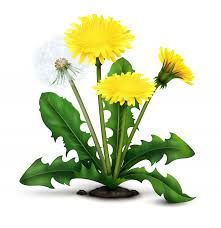
The dandelion flower! The common weed that packs a punch. Those bright yellow petals and delicate, airy seeds are a delight to behold. This plant has been used for centuries to prevent ailments and maintain a healthy lifestyle
Medicinal Uses:
1. Digestive Health: Dandelion root and leaves have been used to treat digestive issues, such as constipation, bloating, and indigestion.
2. Liver and Kidney Support: Dandelion root may help support liver and kidney function, promoting detoxification and overall health.
3. Anti-Inflammatory: Dandelion contains anti-inflammatory compounds, which may help reduce inflammation and alleviate symptoms associated with conditions like arthritis.
4. Antioxidant Properties: Dandelion is rich in antioxidants, which can help protect against cell damage, oxidative stress, and chronic diseases.
Therapeutic Applications:
1. Diuretic: Dandelion leaves have been used as a natural diuretic to help reduce water retention and alleviate symptoms associated with conditions like hypertension.
2. Skin Health: Dandelion’s antioxidant and anti-inflammatory properties may help soothe skin irritations, acne, and eczema.
3. Cancer Prevention: Some studies suggest that dandelion extracts may have anti-cancer properties, although more research is needed.
Culinary Uses:
1. Salads: Dandelion greens can be added to salads for a nutritious and flavorful boost.
2. Tea: Dandelion root tea or leaf tea can be consumed for its medicinal properties.
3. Wine and Beer: Dandelion flowers can be used to make dandelion wine and beer.
Other Uses:
1. Companion Planting: Dandelion can be used as a companion plant to improve soil health and attract beneficial insects.
2. Dye: Dandelion flowers can be used as a natural dye for fabric and other materials.
Precautions and Interactions:
1. Allergies: Some people may be allergic to dandelion, especially those with allergies to ragweed or daisies.
2. Interactions with Medications: Dandelion may interact with certain medications, such as diuretics, and affect their efficacy or increase the risk of side effects.
3. Pregnancy and Breastfeeding: Consult with a healthcare professional before using dandelion during pregnancy or breastfeeding.
Forms and Preparations:
1. Tea: Steep dried dandelion root or leaves in hot water.
2. Supplements: Capsules, tablets, or tinctures containing dandelion extracts.
3. Topical Applications: Dandelion extracts can be applied topically to skin irritations or wounds.
Overall, dandelion is a versatile plant with a range of uses, from medicinal and therapeutic applications to culinary and practical purposes. However, it’s essential to use it responsibly and under the guidance of a healthcare professional.
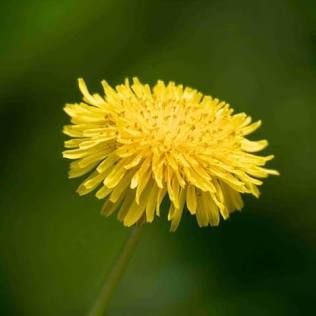
Discover more from HC Content
Subscribe to get the latest posts sent to your email.

Very useful information.
LikeLiked by 1 person
Thank you!
LikeLiked by 1 person
Thanks for sharing
LikeLiked by 1 person
You are welcome. Many more to follow!
LikeLike
Thanks for the memories which came flooding back as soon as the picture of the dandelion popped up on the screen. Long ago when I was in my early 20’s working part time in a hospital located in Illinois. The department head nurse had a reputation for making dandelion wine, one week each year. Those who tasted it were lifelong customers of this free beverage, those who missed that weeks production were always disappointed.
LikeLiked by 1 person
You are very welcome. I considered making some dandelion wine myself. I am sure hers was delicious.
LikeLike