
Summer is a fantastic time to gather various plants with potential medicinal benefits. The warm weather encourages the growth of vibrant herbs, perfect for harvesting. Many of these plants, when carefully collected, can be used to create soothing remedies. Furthermore, utilizing nature’s gifts can offer a natural approach to wellness. Remember to always practice sustainable harvesting to preserve these valuable resources.
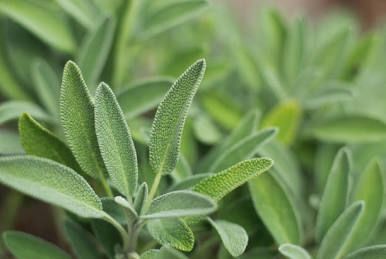
Sage (Salvia officinalis)
– Description: Sage is a perennial herb native to the Mediterranean region. It has grayish-green leaves and purple flowers.
– Medicinal Properties: Sage contains antioxidants, flavonoids, and terpenes, which have anti-inflammatory, antimicrobial, and cognitive-boosting effects.
– Uses: Sage tea or infusion can improve cognitive function, memory, and digestion. It can also relieve menopausal symptoms, sore throats, and mouth ulcers.
– Habitat: Sage typically grows in well-drained soil and full sun. It’s native to the Mediterranean region but can be found in many parts of the world.
– Harvesting: Pinch or cut off the top sets of leaves to encourage bushy growth. Harvest individual leaves or stems as needed, or cut off the entire plant just above the woody base.
– Best Time to Harvest: Spring and summer, when the leaves are at their peak flavor and aroma.
– Precautions: Wear gloves when handling sage, as the leaves can be quite prickly.

Marshmallow (Althaea officinalis)
– Description: Marshmallow is a perennial herb native to Europe and Africa. It has soft, velvety leaves and pink or white flowers.
– Medicinal Properties: Marshmallow root contains mucilages, which have anti-inflammatory, soothing, and protective effects on the mucous membranes.
– Uses: Marshmallow root tea or infusion can relieve respiratory issues like bronchitis, asthma, and coughs. It can also soothe digestive issues like irritable bowel syndrome (IBS) and ulcers.
– Habitat: Marshmallow typically grows in wet environments, such as marshes, riversides, and coastal areas.
– Harvesting: Dig up the roots in the fall or early spring, when the plant is dormant. Cut the leaves and flowers in the summer, when they’re in bloom.
– Best Time to Harvest: Fall or early spring for the roots, and summer for the leaves and flowers.
– Precautions: Be sure to identify the plant correctly, as some lookalike plants can be toxic.
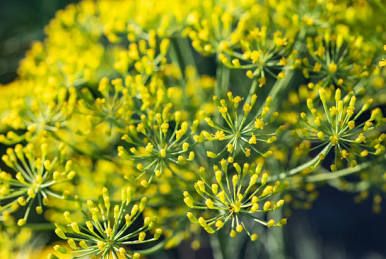
Fennel (Foeniculum vulgare)
– Description: Fennel is a perennial herb native to the Mediterranean region. It has feathery leaves and yellow flowers.
– Medicinal Properties: Fennel contains antioxidants, flavonoids, and anethole, which have anti-inflammatory, carminative, and antispasmodic effects.
– Uses: Fennel tea or infusion can relieve digestive issues like bloating, gas, and cramps. It can also relieve respiratory issues like bronchitis and coughs.
– Habitat: Fennel typically grows in well-drained soil and full sun. It’s native to the Mediterranean region but can be found in many parts of the world.
– Harvesting: Cut off the leaves and stems as needed, or harvest the entire plant just above the base.
– Best Time to Harvest: Spring and summer, when the leaves are at their peak flavor and aroma.
– Precautions: Wear gloves when handling fennel, as the sap can cause skin irritation.

Burdock (Arctium lappa)
– Description: Burdock is a biennial herb native to Europe and Asia. It has large, coarse leaves and purple flowers.
– Medicinal Properties: Burdock root contains antioxidants, flavonoids, and lignans, which have anti-inflammatory, antiseptic, and diuretic effects.
– Uses: Burdock root tea or infusion can relieve skin issues like acne, eczema, and psoriasis. It can also relieve digestive issues like constipation and urinary issues like kidney stones.
– Habitat: Burdock typically grows in disturbed areas, such as roadsides, fields, and waste areas.
– Harvesting: Dig up the roots in the fall or early spring, when the plant is dormant. Cut the leaves and flowers in the summer, when they’re in bloom.
– Best Time to Harvest: Fall or early spring for the roots, and summer for the leaves and flowers.
– Precautions: Be sure to identify the plant correctly, as some lookalike plants can be toxic.
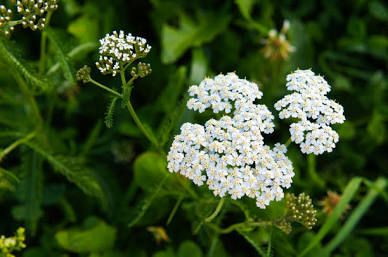
Yarrow (Achillea millefolium)
– Description: Yarrow is a perennial herb native to Europe and Asia. It has fern-like leaves and white or yellow flowers.
– Medicinal Properties: Yarrow contains antioxidants, flavonoids, and sesquiterpenes, which have anti-inflammatory, antiseptic, and antispasmodic effects.
– Uses: Yarrow tea or infusion can relieve digestive issues like bloating and cramps. It can also relieve menstrual issues like heavy bleeding and cramps.
– Habitat: Yarrow typically grows in well-drained soil and full sun. It’s native to Europe and Asia but can be found in many parts of the world.
– Harvesting: Cut off the leaves and stems as needed, or harvest the entire plant just above the base.
– Best Time to Harvest: Spring and summer, when the leaves are at their peak flavor and aroma.
– Precautions: Wear gloves when handling yarrow, as the sap can cause skin irritation.
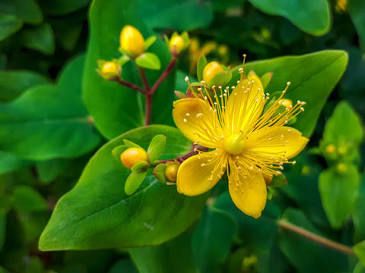
St. John’s Wort (Hypericum perforatum)
– Description: St. John’s Wort is a perennial herb native to Europe and Asia. It has yellow flowers with five petals.
– Medicinal Properties: St. John’s Wort contains antioxidants, flavonoids, and hyperforin, which have anti-inflammatory, antimicrobial, and mood-boosting effects.
– Uses: St. John’s Wort tea or infusion can relieve mild depression, anxiety, and insomnia. It can also relieve skin issues like wounds and inflammation.
– Habitat: St. John’s Wort typically grows in well-drained soil and full sun. It’s native to Europe and Asia but can be found in many parts of the world.
– Harvesting: Cut off the leaves and stems as needed, or harvest the entire plant just above the base.
– Best Time to Harvest: Spring and summer, when the leaves are at their peak flavor and aroma.
– Precautions: Be sure to identify the plant correctly, as some lookalike plants can be toxic.

Calendula (Calendula officinalis)
– Description: Calendula is an annual herb native to the Mediterranean region. It has bright orange or yellow flowers.
– Medicinal Properties: Calendula contains antioxidants, flavonoids, and triterpenoids, which have anti-inflammatory, antimicrobial, and wound-healing effects.
– Uses: Calendula tea or infusion can relieve skin issues like wounds, burns, and eczema. It can also relieve menstrual issues like cramps and heavy bleeding.
– Habitat: Calendula typically grows in well-drained soil and full sun. It’s native to the Mediterranean region but can be found in many parts of the world.
– Harvesting: Cut off the flowers as needed, or harvest the entire plant just above the base.
– Best Time to Harvest: Spring and summer, when the flowers are in bloom.
– Precautions: Wear gloves when handling calendula, as the sap can cause skin irritation
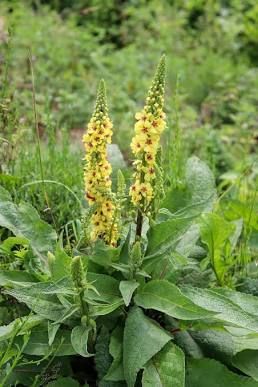
Mullein (Verbascum thapsus)
– Description: Mullein is a biennial herb native to Europe and Asia. It has large, woolly leaves and yellow flowers.
– Medicinal Properties: Mullein contains antioxidants, flavonoids, and saponins, which have anti-inflammatory, antimicrobial, and expectorant effects.
– Uses: Mullein tea or infusion can relieve respiratory issues like bronchitis, asthma, and coughs. It can also relieve ear infections and skin issues like eczema.
– Habitat: Mullein typically grows in well-drained soil and full sun. It’s native to Europe and Asia but can be found in many parts of the world.
– Harvesting: Cut off the leaves and stems as needed, or harvest the entire plant just above the base.
– Best Time to Harvest: Spring and summer, when the leaves are at their peak flavor and aroma.
– Precautions: Wear gloves when handling mullein, as the sap can cause skin irritation.

Basil (Ocimum basilicum)
– Description: Basil is an annual herb native to India and Southeast Asia. It has green leaves and white or purple flowers.
– Medicinal Properties: Basil contains antioxidants, flavonoids, and volatile oils, which have anti-inflammatory, antimicrobial, and adaptogenic effects.
– Uses: Basil tea or infusion can relieve digestive issues like bloating and cramps. It can also relieve stress, anxiety, and insomnia.
-Harvest individual leaves or stems as needed, or cut off the entire plant just above the base.
– Best Time to Harvest: Spring and summer, when the leaves are at their peak flavor and aroma.
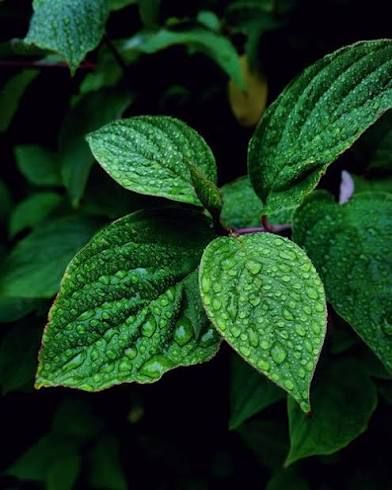
Mint (Mentha spp.)
-Has been used for centuries in traditional medicine for its numerous health benefits. Some of the medical uses of mint include:
– Digestive Issues: Mint tea or oil can help relieve digestive issues like indigestion, nausea, and irritable bowel syndrome (IBS).
– Respiratory Issues: Mint’s expectorant properties make it an effective remedy for relieving congestion, coughs, and colds.
– Skin Issues: Mint oil or tea can help soothe skin irritations like acne, eczema, and minor burns.
– Stress and Anxiety: Mint’s calming effects can help reduce stress and anxiety.
– Oral Health: Mint oil or tea can help freshen breath, reduce plaque, and prevent gum disease.
Habitat
Mint is a hardy, perennial herb that can grow in a variety of habitats, including:
– Moist Soils: Mint prefers moist, fertile soils with good drainage.
– Partial Shade: Mint can thrive in partial shade, especially in warmer climates.
– Temperate Climates: Mint is native to temperate climates, but it can be grown in tropical and subtropical regions as well.
– Streams and Rivers: Mint can often be found growing wild near streams and rivers.
Harvesting
Mint is typically harvested in the summer months when the leaves are at their peak flavor and aroma. Here are some tips for harvesting mint:
– Pinch or Cut: Pinch or cut off the top sets of leaves to encourage bushy growth and prevent the plant from flowering.
– Harvest in the Morning: Harvest mint leaves in the morning, after the dew has dried but before the heat of the day.
– Use Fresh or Dry: Use fresh mint leaves in teas, salads, and sauces, or dry them for later use.
– Harvest Roots: Harvest mint roots in the fall or early spring, when the plant is dormant. Use the roots in teas, tinctures, or infusions.
Precautions
When harvesting and using mint, keep the following precautions in mind:
– Skin Irritation: Mint oil or tea can cause skin irritation in some individuals. Use with caution and perform a patch test before using.
– Allergic Reactions: Some people may be allergic to mint. If you experience any symptoms like hives, itching, or difficulty breathing, discontinue use.
– Interactions with Medications: Mint can interact with certain medications, such as antacids, blood thinners, and diabetes medications. Consult with a healthcare professional before using mint for medicinal purposes.
Discover more from HC Content
Subscribe to get the latest posts sent to your email.

I’ve read a very interesting article recently, about mullein, different ways to use its leaves and flowers, and what illnesses and symptoms is it helpful for. Mullein is really a helpful herb if it comes to respiratory system.
LikeLiked by 1 person